
Are you tired of trying to decipher all of the information out there about nutrition and how to eat well? This post will set the facts straight on 10 food myths that you still think are true but are definitely way off the mark!

With all of the info and food myths out there, it’s sometimes hard to know what’s true and what’s not.
In this blog, I like to take those topics and help make more sense out of them so you can feel more confident with your choices. I've explained intermittent fasting for women, how to calculate your macros, foods that cause inflammation, apple cider vinegar, and more.
I do my best to look out for food myths, take my time, check sources, and get the facts before making my choices. You can read more about my research process on my Editorial Policy page.
So, to keep you well-informed and on track with your healthy lifestyle, I decided to take on a few myths about healthy food and reveal the truth based on science.
Keep reading, and we’ll tackle 10 myths together.

WHAT IS A FOOD MYTH?
A food myth is a widely believed but misleading or false idea about food, nutrition, or eating habits. These myths can come from outdated advice, marketing hype, or just plain misunderstandings, leading people to make choices that don’t align with what’s actually healthy, beneficial, or based in science.
Common Myths About Food
Let's get to the myths! Below, I've listed out several food myths I've heard and why it's not true. For some of these, there may be some truth, but I find it always best to be informed, and I hope you do, too.
1. MYTH: COFFEE IS UNHEALTHY
A 2017 literature review on coffee concluded that "coffee consumption seems generally safe within usual levels of intake [3-4 cups per day." This misconception may be caused by the caffeine found in coffee. The truth is, it’s more likely the sugar and cream that you add to your cup of coffee that make it unhealthy. I like to have my coffee in my smoothie!
2. MYTH: BROWN EGGS ARE HEALTHIER THAN WHITE EGGS
That’s a myth. There is no nutritional difference between white and brown eggs. For some reason, many of us have grown up thinking that the darker shell means it’s a healthier food. It’s just not so. However, I’ll tell you all about the awesome of eggs in this post on the benefits of eggs.
3. MYTH: JUICE CLEANSES DETOX YOUR BODY
Organs in our bodies do the detox work. The spleen, liver, and kidney provide cleansing functions. The liver is critical in that it affects every organ in the body. The National Center for Complementary and Integrative Health (NIH) warns that "some “detoxification” programs can be unsafe and falsely advertised."
4. MYTH: RED WINE IS THE ONLY ALCOHOL THAT IS GOOD FOR YOU
The Mayo Clinic notes other types of alcohol can have positive effects on your health. Observational studies have determined that although red wine and the resveratrol contained in it are beneficial, beer, wine, and spirits all offer the same cardioprotective benefits. Keep in mind, this is for moderate consumption of alcohol.
MYTH: 5. FRESH VEGGIES ARE BETTER THAN FROZEN OR CANNED
The fact that vegetables are often taken from the field and flash-frozen or canned within a short period busts this myth. Li, et al studied the nutrient value of both fresh and frozen fruits and vegetables over a 2-year period, and determined there to be "no significant difference."
MYTH: 6. EATING CARBS MAKE YOU FAT
What needs to be debunked here is the thought that carbs are bad. Whether a carb will make you fat or not depends on the type of carbohydrate you are eating. The carbs that can add to weight gain are highly processed carbs, which provide little to no nutritional value. High-fiber, complex carbs, on the other hand, are valuable to your health and weight loss.
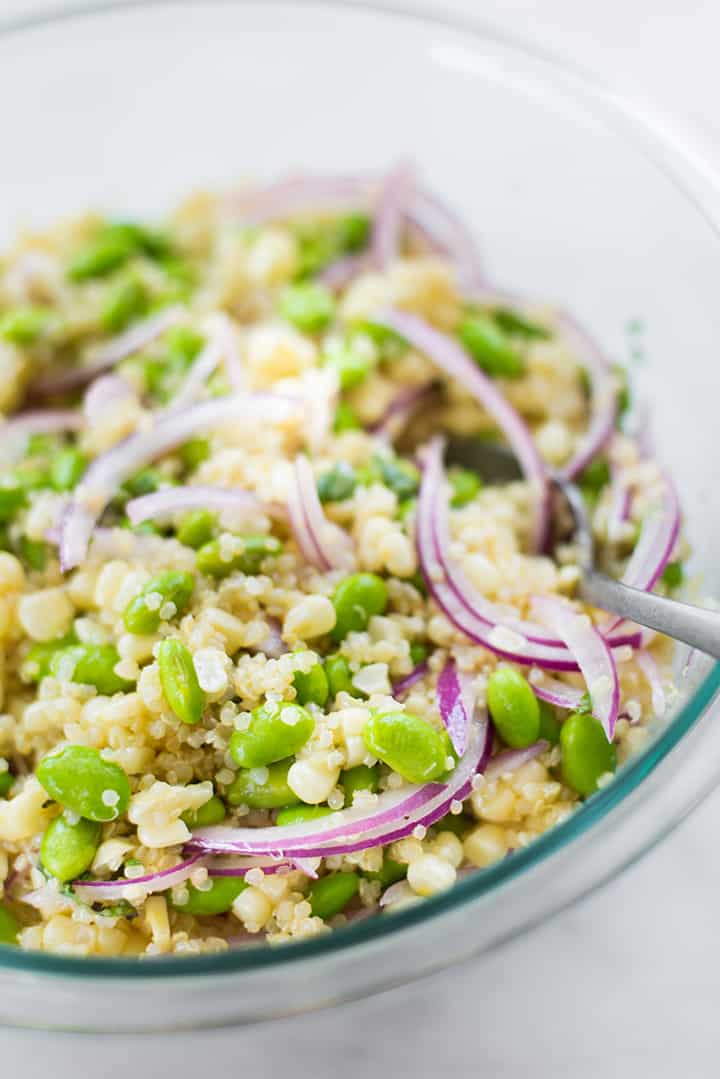
Satisfy your desire for carbs with a healthy quinoa salad or a make-ahead smoothie with yummy added fruit.
MYTH: 8. GLUTEN-FREE FOOD IS BETTER FOR YOU
Gluten-free is not necessarily better for the general population, unless you have a gluten intolerance. Those who do lack the ability to digest gluten will have to avoid wheat, barley, and rye. The rest of us can benefit from the fiber and other nutrients in these foods. The reality is, only about 1% of the population has gluten-intolerance.
Additionally, I've found many highly processed ingredients in gluten-free pre-packaged foods, including canola oil, xantham gum, cane syrup, etc.
MYTH: 9. FAT-FREE IS BETTER FOR YOU
While a lower fat diet has been shown to be good for you, fat-free foods often go through a process that removes all of the nutritional fat, typically replacing it with tons of sugar.
MYTH: 10. MARGARINE IS BETTER THAN BUTTER
This myth couldn't be more untrue. Margarine contains less-than-healthy ingredients like trans fats that contribute to higher LDL cholesterol levels. LDL is the “bad” cholesterol, while “HDL” is the good.

Letitia Henrietta
This gave me a new perspective. I still have a question about one part. I鈥檒l be checking your other posts as well.
shirlynsnaturalfoods
Useful Information! I especially like the last three-point that I don' know before. Thanks for sharing.
shirlynsnaturalfoods
Great work! I especially like the last three point that i don' know before. Thanks for sharing.