
In this post, you'll earn the best time to work out based on science and my experience.

Y’all know that I am big into exercise. I’ve always enjoyed being active, but it wasn't until having my son in 2014 that I fell in love with strength training. I struggled for years with trying to lose weight, which led me to learn the best way to work out to succeed.
One of the questions I get asked a lot is about exercise. Specifically, it's when is the best time to work out? In this post, I'll share with you what I’ve learned about exercise timing as I've made healthy changes to my lifestyle and the peak times for doing it.
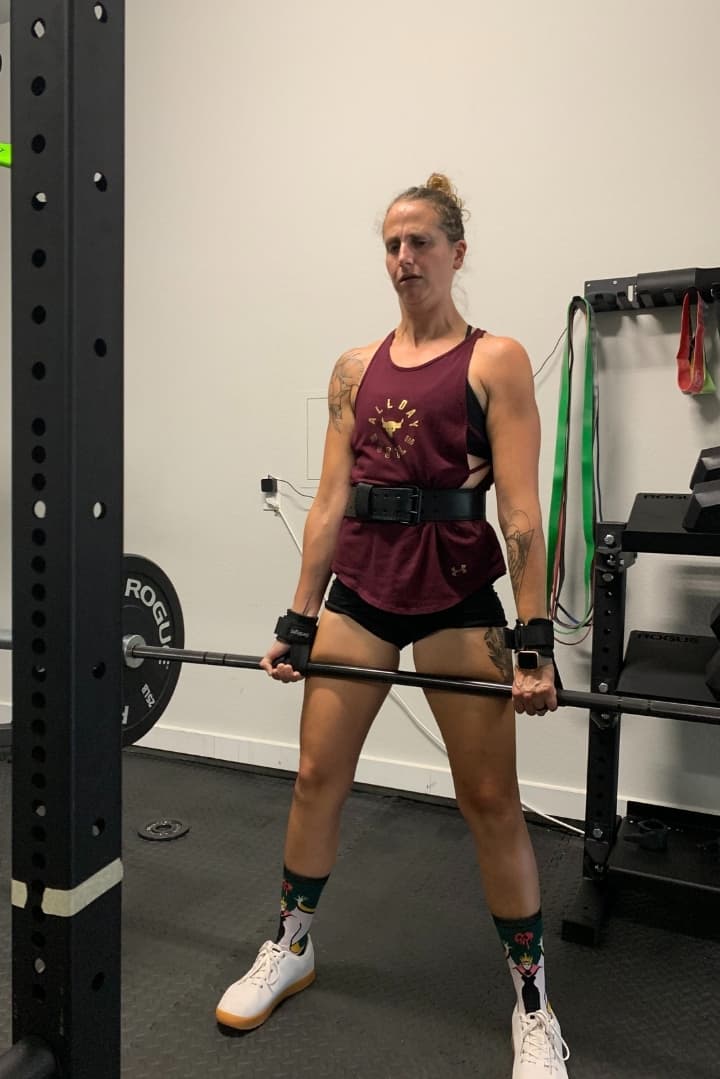
Is It Better To Exercise On An Empty Stomach?
There was a time when I would have laughed at you about working out on an empty stomach. Back then, I felt like I needed food before doing anything, and I didn't have enough energy unless I ate.
I've found many who feel this way, too. Some people feel light-headed and nauseous when exercising on an empty stomach, while others feel light and less sluggish.
When I started intermittent fasting, I found that I could eat later in the day and still have energy for my morning workout. It wasn't easy initially, but I trained my body to get used to it. The process took a few months, and it's how I have continued working out for years.
Research indicates that you burn more calories during a fasted workout, but it doesn't actually lead to better fat burning overall over the course of the day. Additionally, studies suggest that a fast workout might limit your performance if it lasts longer than 60 minutes.
As always, if you have a health issue, like diabetes or a thyroid condition, check with your doctor to make sure you are eating as you should at any time you exercise. It's always a good idea to consult with your physician before starting a new workout routine.
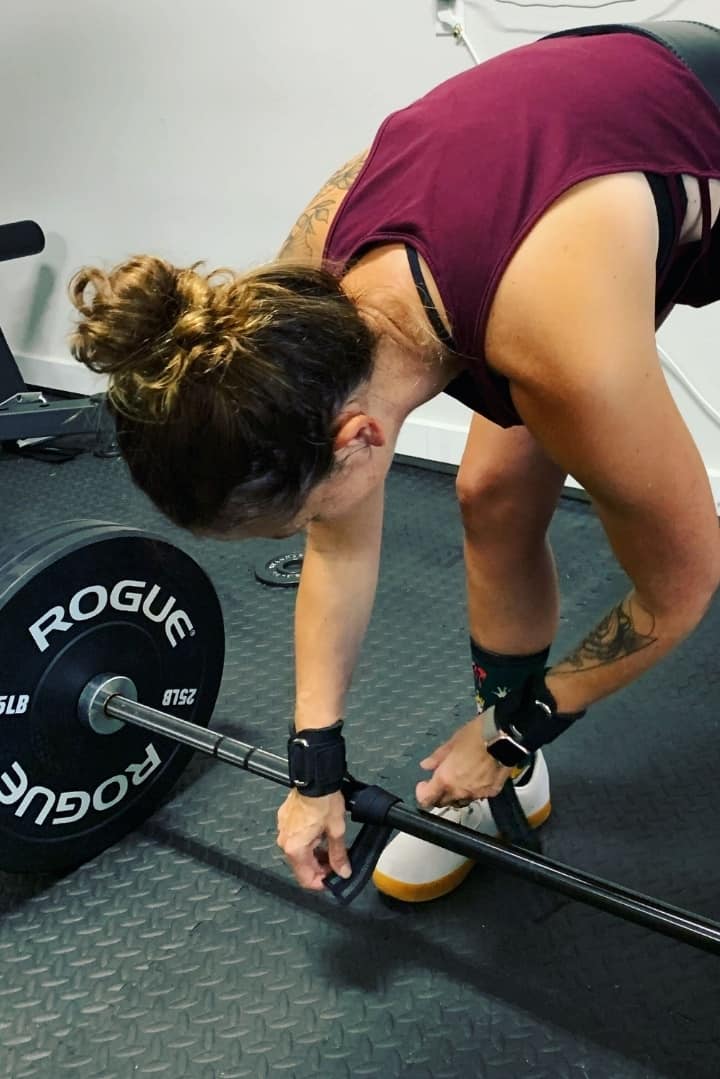
What Is The Best Time To Workout?
In my experience, the best time to exercise is the time that you can fit in into your schedule. I’m serious here. We’ll go a little bit into the science of the best time to work out, but when it comes right down to it, I believe exercising several times a week when you can is better than not moving at all.
Both morning and evening workouts have their pros and cons. Let’s take a look.
Pros of Working Out In The Morning
For some, it’s a simple matter of logistics to exercise first thing in the day, shower, and then head to work or other activities. An increase in energy and brain productivity for the day is experienced by some, again making a case for morning workouts.
If you want to work out in a fasted state, exercising in the morning before breakfast makes it easier because you know that your body is in fat-burning mode.
Some people choose the morning to exercise instead of the afternoon or evening because of the potential to affect their sleep. However, studies show conflicting results, pointing to the fact that sleep interruption is an individual thing.
One way to make sure you exercise no matter what time of day is to find an exercise you like. Whether you exercise at home (like me during COVID) or in the gym, being motivated to move because you enjoy it is half the battle.
Lastly, as a pro to morning workouts, it is easy to be consistent because you exercise upon waking, making it a healthy habit.
The major con I see with a morning workout is you're not in a well-fed state, which can limit your performance.
Pros Of Working Out In The Late Afternoon Or Evening
For many people, the best time to work out is later in the day. Besides having more time to sleep in, there is evidence that peak performance may be in the afternoon.
If you are running on the treadmill or doing bursts of high-intensity interval training, the afternoon can prove to be a time when an injury is less likely. Why? Your blood pressure and heart rate are at their lowest for the day.
Testosterone is thought to be more responsive to resistance training in the late afternoon. This hormone is important for muscle building.
This post contains affiliate links to products I use regularly and highly recommend.


Donna
Enjoyed the article. It helped me learn a lot about why I’m having difficulties losing weight on my keto and fasting. I’m up 2 pounds then down one. Up one then down 2 pounds. Basically getting no where. I’m eating healthy and I’m positive I will lose the weight, not stressing. Most people would start stressing over the fact that they’re not losing weight. But there’s other factors; am I diabetic, yes. Do I have a fatty liver yes. So I believe some of that comes into play as well. Once again, a great article.