

We all know that excessive sugar consumption isn't ideal, and it often sneaks into more foods than we realize. But is it possible to cut it out completely? Check out this article to discover the 7 steps I used to break free from sugar and how you can take control, too!

Nowadays, it feels like manufacturers put sugar in pretty much everything they can because, as consumers, we have developed an insatiable need for more and more sugar to make our tastebuds happy. This isn't really news to you, I'm guessing. This is also why I lean towards clean eating.
But, just how bad is sugar, really?
If you found this post on How To Quit Sugar helpful, try checking out my post on 7 Healthy Sugar Substitutes and my post on Eating Clean For Beginners.
Well, research links eating a lot of sugar with weight gain, heart disease (sugary drinks especially), diabetes, and depression, and some researchers think it may play a role in osteoporosis too. <--- NONE of those are good things.

But, let’s clear one thing up: It’s actually not SUGAR, by itself, that is the main problem here.
Stay with me, here...
I propose we need to rethink how we approach our viewpoint on sugar.
Just like the demonized calories and carbs, sugar gets a bad rap that it doesn't always deserve. “Real” sugar -- the kind that exists in natural foods, like fruits, vegetables, and milk, to name a few -- usually comes packaged with fiber and other nutrients. In one large study, people who got more of their sugar from natural sources also ate more fiber, fruit, and vegetables. Yep: sugar is something that exists in natural, whole foods and it provides our bodies with energy. Energy is good, in this sense.
Wanna see how I omit refined sugars and processed ingredients and still love the food I eat? Sign up for my free Cleanish newsletter and read about my weight loss struggle.

What’s NOT good is that us sweet tooth freaks have (myself totally included), over time, developed a certain need for sweeter and sweeter things. Couple that with how hard sweets can be to resist (in animal studies, rats given sugar in binges showed signs that look a lot like addiction) and you got yourself a gold mine, if you're a manufacturer selling sweet foods.
This has led to processing sugar (i.e. high fructose corn syrup, granulated sugar, brown sugar, and so on) into what we now have in most of the packaged foods out there.

These highly (highly highly highly x10,000) refined forms of sugar are no longer taken from a fruit or a bean or a vegetable. When we eat those real foods, we get the naturally occurring sugar along with the fiber and all the other nutrients those foods provide. This is what we WANT.

Refined sugars, on the other hand, come without that fiber, and people who eat a lot of added sugar tend to eat less fiber, fruit, and vegetables overall. They are pure energy from the very start - no need to digest and process the fibrous tissue of an apple to get your naturally occurring sugar.
Over time, eating a lot of added sugar can take a toll, and it's linked to gaining more weight and a higher risk of obesity.
So, how can we quit PROCESSED sugar, then? The good news is you can totally do this. I did, and you can too.
And it's as glorious as it sounds. BUT, there are some steps I recommend you take to be successful. Let me share the 7 steps I took for how to quit sugar and work towards a refined sugar free life and how you can, too!
Step 1: Read your nutrition labels.
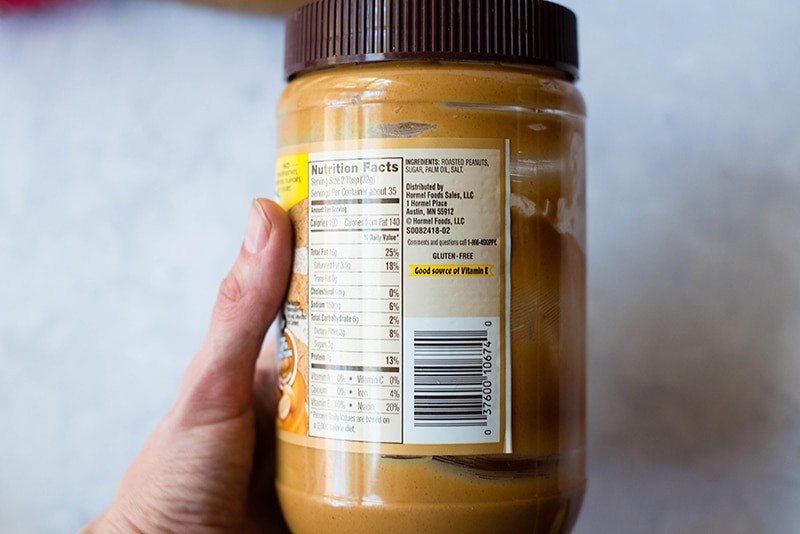
This is possibly the most important thing you can do to take charge of what foods you’re putting into your body. For any drink, cereal, package, energy bar, or whatever prepared food you purchase at the grocery store, read the label. What is this going to tell you? Everything!
Most of us, after reading the label and seeing high fructose corn syrup as one of the top 5 ingredients in the list would realize that food probably isn’t a good choice. But, what if you saw brown sugar, fruit juice, malt syrup, or organic cane juice? Would you stop and think this is just as bad?
Because, despite how much nicer they may sound, they’re still forms of refined sugar.
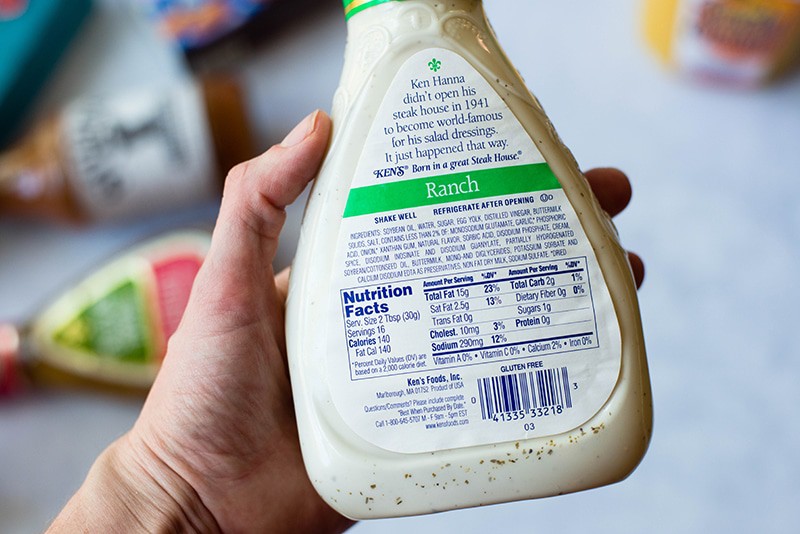
Another very easy way to spot sugar in the nutrition labels is by recognizing the “-ose” suffix. So, when you see words that end in -ose, like sucrose, maltose, dextrose, fructose, glucose, or galactose, there's a good chance it is sugar.
Step 2: Choose healthier, more real sources of sugar.
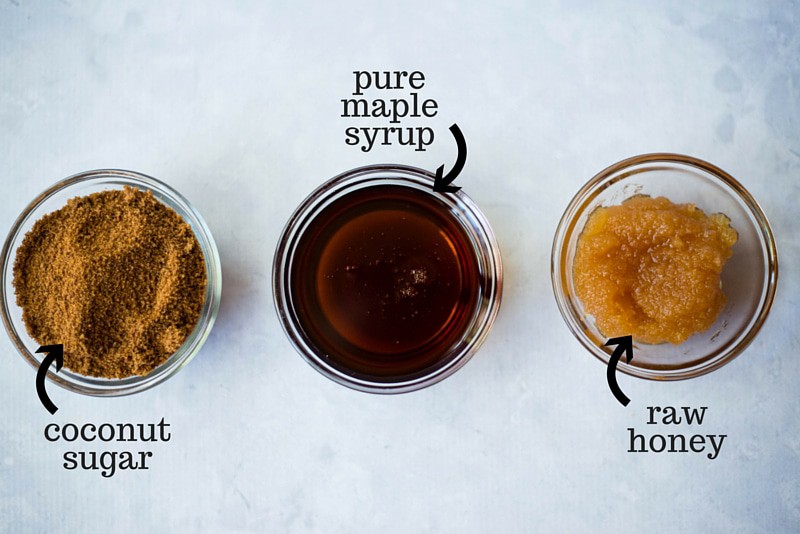
Like I mentioned before, sugar exists in whole foods, like beans, vegetables, and fruits. Sugar provides us with energy and is not a bad thing if consumed in moderation from whole foods and within a well-balanced diet. There are several better alternatives to adding sweeteners to your food. They are the following:
- Coconut Palm Sugar - this sugar is actually sap from the coconut palm which is heated and evaporated which reduces it to granules. Coconut sugar has a slightly lower glycemic index than table sugar (54 vs. 60), so it may raise your blood sugar a little less, but it has about the same calories and only tiny amounts of minerals. Coconut sugar tastes similar to brown sugar, but slightly richer.
- Raw Honey - is simply honey that has not been filtered or pasteurized so it includes beeswax, royal jelly, bee pollen and propolis (a substance collected by honeybees from tree buds, used to fill crevices and seal honeycombs.). Raw honey is pretty awesome. Honey contains antioxidants, small amounts of vitamins and minerals, amino acids, and enzymes. I like to look for raw in the name, since how honey is processed can change what's in it. A honey simply labelled as un-pasteurized is likely filtered, but hasn't been heated. It would not be considered raw because it has been filtered and had the royal jelly, beeswax, bee pollen, and propolis removed. One important note: don't give honey of any kind, raw or not, to babies under 1 year old.
- Pure Maple Syrup - has a slightly lower glycemic index than table sugar and contains antioxidant compounds. Animal studies hint it may be easier on the liver than table sugar, but we still need studies in people.
While these three better-for-you sugars do contain many more health benefits than processed sugar, I want to stress they are all still…sugar. Therefore, make sure you consume them in moderation.
For more recipe ideas and real talk on food and health, sign up for my free Cleanish newsletter and get started today!
Step 3: Beware of artificial sweeteners.
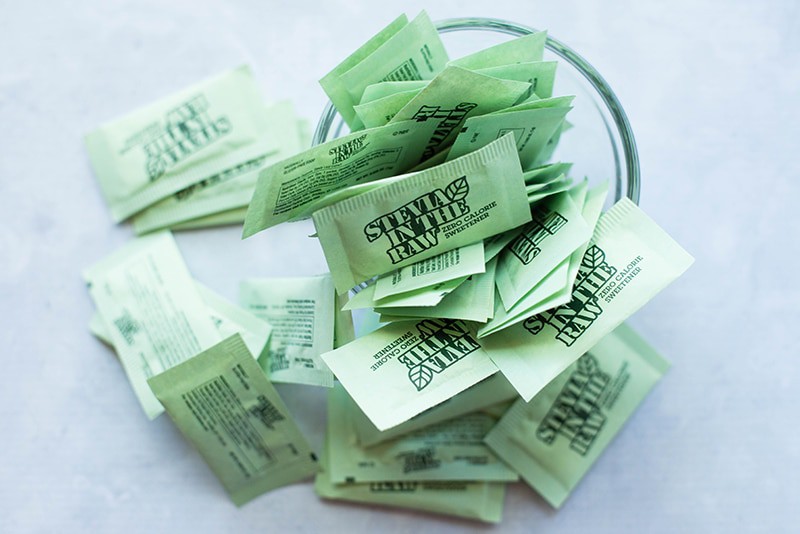
Many people turn to artificial sweeteners when trying to avoid excess sugar in their diets. While many consider these type of zero calorie sweeteners “safe” or “guilt-free,” they’re likely not helping you as much as you'd like. You are still used to highly sweetened food and this is what you need to move away from.
For all you Stevia lovers out there, the same goes for Stevia. Forget the notion that “natural” sweeteners that contain zero calories are actually good for you. Yes, the stevia plant contains green leaves that are naturally very sweet and calorie-free. However, the extracts and powders you can purchase in the grocery store have very little to do with the original plant, and some animal studies have raised questions about them.
Step 4: Identify the main culprit.

We all have one type of food or drink that is probably the most major of all the culprits of our continued dependency on processed sugar. Maybe you are a sweet coffee drinker. Maybe you love your Dr. Pepper. Maybe you sneak a candy bar every day at 2:30pm to get you through the afternoon at work. It’s likely this one culprit that scares you about letting go of processed sugar and quitting for good. It’s also likely this one culprit that is holding you back from reaching your health-related goals.
Each change you make during this process of quitting processed sugars will help you with the next change. Attacking this main culprit head-on will certainly work to help you remove the need for sweets within the rest of your diet. Start looking at that "treat" as your ball and chain to sugar. Get rid of it and you'll be soooo much better off - I promise.
Step 5: Start to remove sugar from your home.
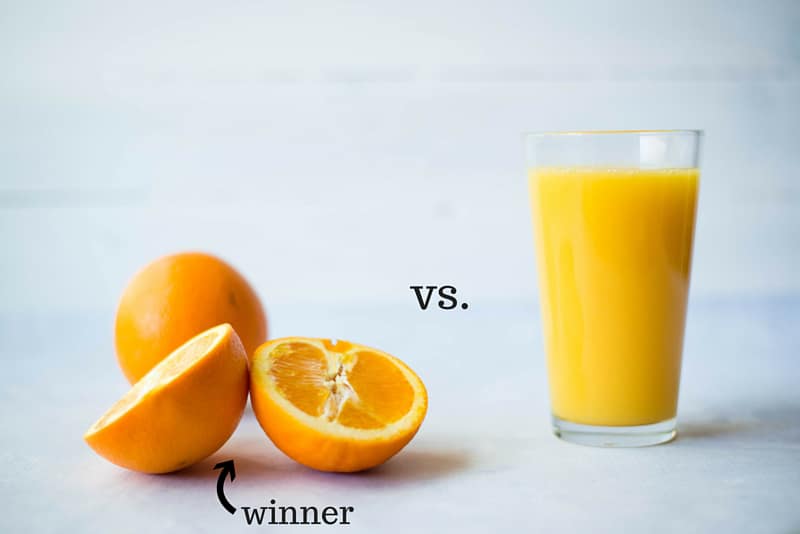
It all needs to go. Otherwise, it will be there for you when you’re feeling weak and just want to give up. If you don’t have it, you won’t eat it. Donate, give away, or throw away all processed sugar from your home. That means sugary cereals (and even many of the so-called healthy cereals you think you purchased), candy, cookies, granulated sugar, brown sugar, high fructose corn syrup, etc. You won’t be needing those anymore.
A note on fruit juices. Yes, they are made from fruit. NO, they aren’t as good for you as fruit. Believe it or not, they can actually contain the same amount of sugar as a can of soda. The sugar is natural, but most of the fiber from the whole fruit is gone, so it's easy to take in a lot of sugar quickly. If you drink juice, keep it to a small glass. Instead, opt for eating a piece of fruit instead of drinking what is essentially 3-4 pieces of fruit very rapidly.
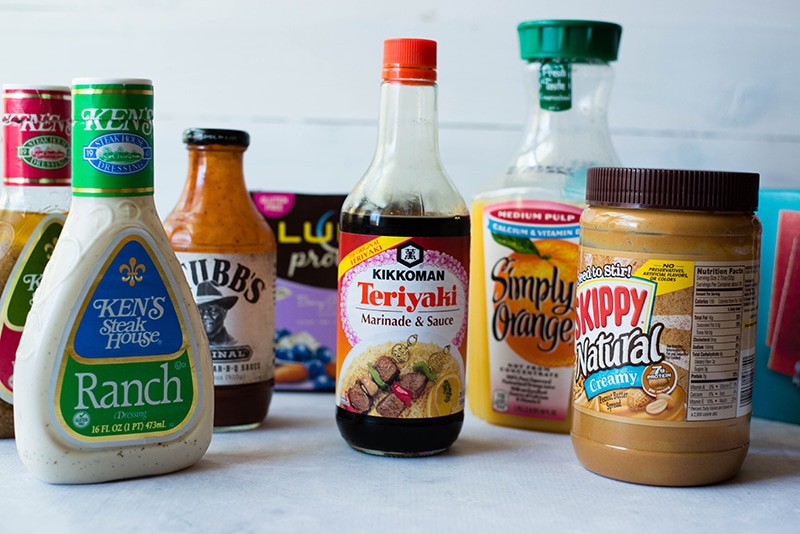
Also (and this goes along with reading your nutrition labels) check your condiments, pasta sauces, fruit juices, barbecue sauces, breads, and so on for lurking sugar. You’ll be surprised with just how much hidden sugars you’ll find. There are so many ways to make the foods you love WITHOUT refined sugars and high fructose corn syrup.
Step 6: Make it a transition.
If you’re ready to jump right in and start taking action, that’s great - you can have your own success story in finally kicking that sugar habit.
For others, change can be very scary and difficult for us to swallow, especially when we consider the years and years we’ve likely been addicted to refined sugars. Start small, take baby steps, and keep moving towards removing refined sugars from your diet. Each teaspoon of sugar you remove a day, the better off you’ll be.

As much as you may want to throw everything out and quit for good, that is not always the best choice because we have habits and routines and likes that will all be unhappy and thrown out of whack. Instead, make the transition gradual to the point where you don’t even feel like you’re working to remove anything. Then, one day, you’ll not even feel like that extra soda or white mocha latte or cookie. Your body and mind are capable of amazing things - so stop letting sugar control them and take charge!
Step 7: Just start.
One of the most common complaints I hear from men and women trying to get healthy is how they just can’t get past their addiction to sugar. Their sweet tooth is just too strong and is always sabotaging them from reaching their health and weight goals. They’re worried they’ll never be able to eat ice cream again, enjoy chocolate, sip a sweet latte, or have pancakes with syrup again. They focus on all the things they’ll lose and this is terrifying and keeps them from taking that jump into quitting sugar.
Get started TODAY on quitting sugar so you can feel great in your own skin.
How To Quit Sugar
But, instead of thinking about all the things you love that you’ll lose by quitting sugar, let’s reframe it and think about all the things you’ll gain.
You’ll gain control over your health and body.
You’ll gain an understanding of all the marketing you’re letting tell you what to eat even though it’s bad for you.
You’ll gain a newfound appreciation for naturally occurring sugars, like apples, ripe bananas, and even carrots.
You’ll enjoy regular, non-sugared foods and appreciate a balanced meal more than you ever did before, since your tastebuds were so tuned in to wanting sweets.
You’ll gain a pride and confidence in yourself and your body - that you’re doing this because you’re worth it and too much added sugar isn’t doing your body any favors.
You’ll learn new and exciting ways to still enjoy sweets, through making ice cream using just bananas, experimenting with healthier forms of more natural sugars, and enjoying the simplicity of foods and all their varied flavors.
You’ll be cutting back on something research links to weight gain, heart disease, and other health problems.
Most importantly, you’ll have actually quit sugar!
You've got this!
What's next? Sign up for my free Cleanish newsletter for weekly real talk on food, health, and how to still LOVE your food.
Good luck!
Atul Singh
This was such a refreshing and practical guide! I really liked how you emphasized taking small steps instead of quitting sugar all at once it makes the whole process feel much more achievable. The idea of gradually reducing sugar instead of going “cold turkey” is something many people overlook, but it’s honestly the most sustainable way to build long-term habits.
You can find similar insightful and engaging content on StackUmbrella as well. Great work, keep sharing!
Dan
Nice article,
Im going to begin my journey, to quiting sugar I had bariatric surgary 1 year ago to the day, I lose some weight but not much and then I'd gain that some back, it was like a nasty cycle that wouldn't stop, I have family support but, my mother is sugar lover, nine to ten sugars in her coffee and 1 1/2 cokes aday on most day, my father isnt really a sweet food, im in the middle of the road,, I dont drink as often , never smoked, and never did any drug, anywho, fasting for some bloodwork, then it begins